Why SPF 100 Isn't Twice as Good as SPF 50 (The Math Nobody Explains)
Quick Answer: SPF 50 blocks about 98% of UVB rays, while SPF 100 blocks about 99% — a small absolute difference, not a doubling of protection. The number itself is a ratio, not a linear scale.
It’s easy to assume SPF 100 is twice as protective as SPF 50 because the number is double. The actual math tells a very different story.

What SPF Numbers Actually Measure
SPF measures the ratio of time it takes skin to burn with sunscreen versus without it, focused specifically on UVB rays. SPF 30 blocks about 97% of UVB rays, SPF 50 blocks about 98%, and SPF 100 blocks about 99%. The percentage gains shrink dramatically as the number climbs, even though the marketing gap looks huge.
Why the 1% Difference Still Matters for Some People
That final 1% between SPF 50 and SPF 100 sounds negligible, but it can matter for people with a history of skin cancer, photosensitive medications, or very fair skin prone to burning — in those cases, doubling exposure to unblocked UVB rays (even a small percentage) is a meaningful relative risk increase.
The Bigger Factor Nobody Talks About: Reapplication
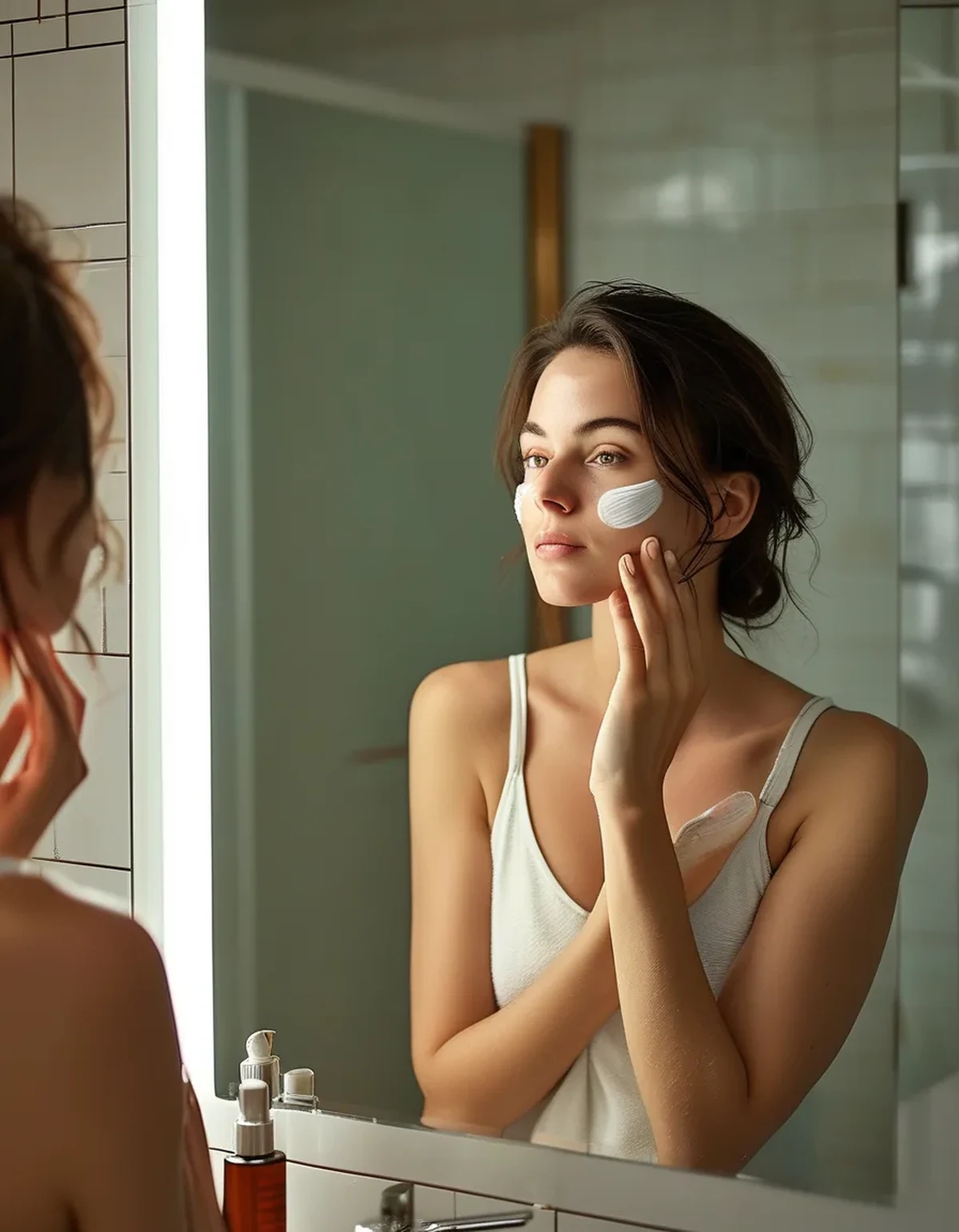
Application amount and reapplication frequency matter more than the SPF number for most people’s real-world protection. Most people apply about 25-50% of the amount used in official SPF testing, which functionally cuts SPF 50 down closer to SPF 25 in practice. Reapplying every 2 hours outdoors does more for actual protection than upgrading from 50 to 100.
Myth vs Fact: High SPF Edition
Myth: SPF 100 means you can skip reapplication all day. Fact: SPF numbers measure UVB blocking at the moment of even application, not duration — sweat, water, and time still degrade any SPF level. Myth: SPF only protects against sunburn. Fact: it also plays a role in UVA-related skin aging, though the SPF number itself is UVB-specific; check for ‘broad spectrum’ labeling for UVA coverage too.
FAQ: Sunscreen SPF Questions, Answered
Should I just buy SPF 100 to be safe?
SPF 30-50 broad spectrum, applied generously and reapplied every 2 hours, gives excellent protection for most people — SPF 100 is a marginal upgrade, not a requirement.
How much sunscreen counts as a full application?
About a shot glass amount (1 ounce) for full body, and roughly a quarter teaspoon for the face alone — most people use noticeably less than this.
Does higher SPF mean more chemical ingredients?
Not necessarily, but very high SPF formulas sometimes require more active ingredient concentration, which can occasionally mean a thicker or greasier texture.
TL;DR:
- SPF 50 blocks ~98% of UVB, SPF 100 blocks ~99% — a small absolute gap
- The number is a ratio, not a linear doubling of protection
- Reapplication frequency and amount matter more than chasing a higher number
- SPF 30-50 broad spectrum, applied properly, covers most people’s needs
A higher SPF number isn’t wrong to choose, but understanding the real math means you can stop overpaying for a marginal gain and focus on reapplying instead.
Keep Reading
This article is for general informational and styling purposes only. Fit, sizing, and product availability may vary.