Why Sunscreen Pills Up Under Makeup (and How to Actually Stop It)
Quick Answer: Sunscreen pilling happens when incompatible product textures (usually silicone-based products layered over each other, or applying too soon before the next layer sets) physically ball up on friction. Let sunscreen fully absorb for 2-3 minutes before makeup, press rather than rub the next layer, and check that your sunscreen and primer aren’t both heavily silicone-based.
Pilling gets blamed on the sunscreen itself most often, but it’s usually a layering and timing issue that shows up regardless of which specific sunscreen you’re using — including ones that work fine for other people.
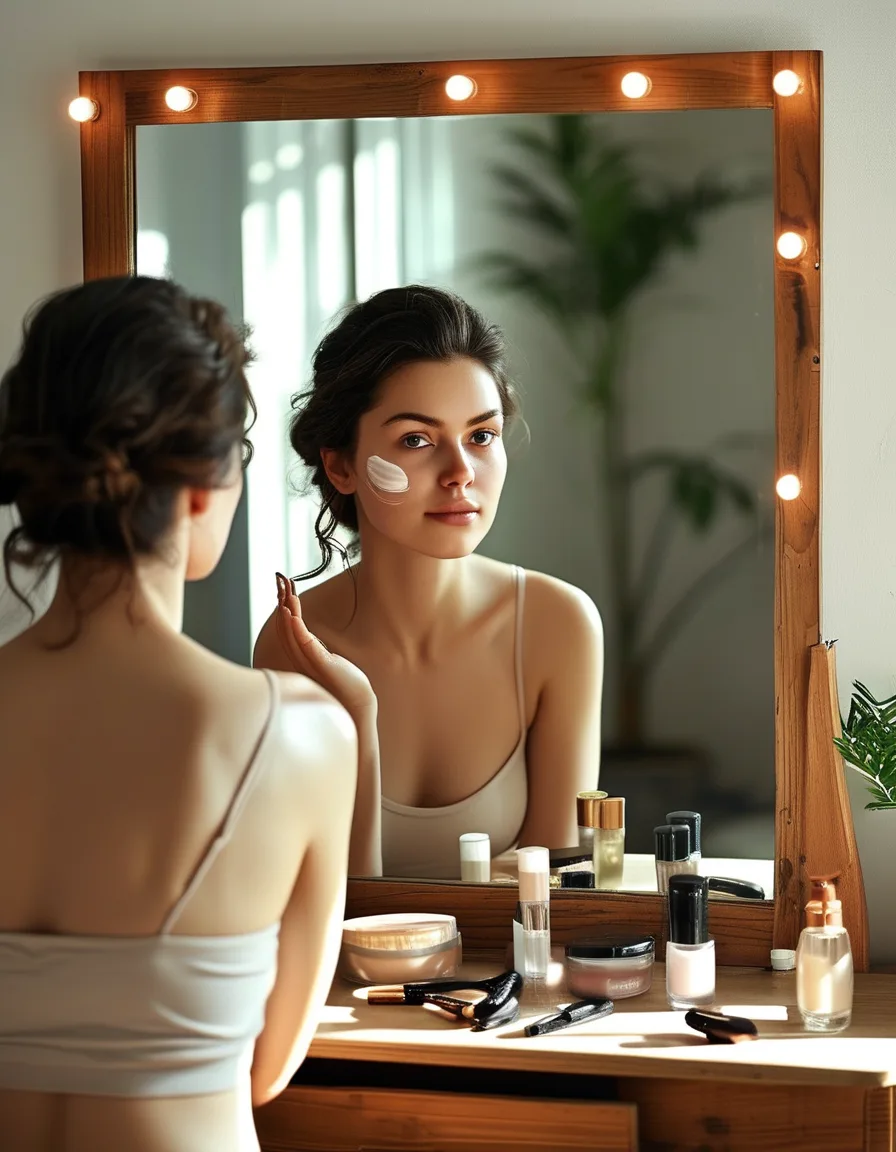
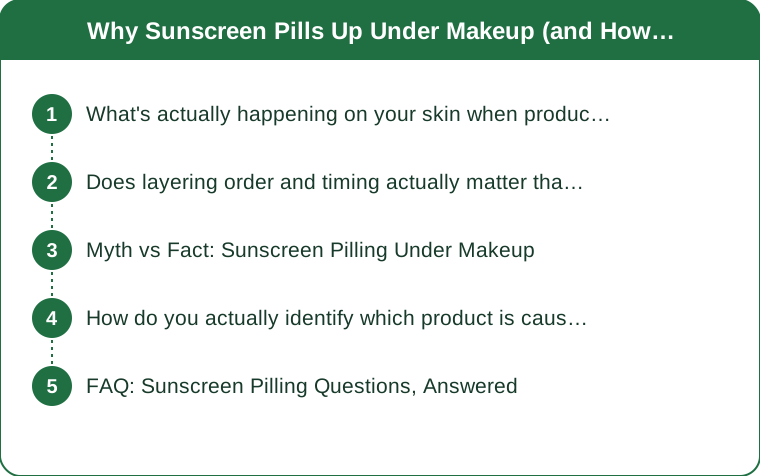
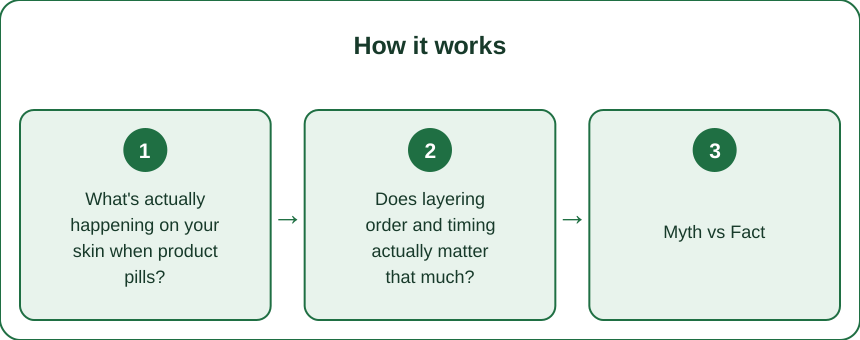
What’s actually happening on your skin when product pills?
Pilling occurs when two product layers don’t bond properly to each other, often because one or both contain film-forming ingredients (common in silicone-based formulas) that create a slight surface layer rather than fully absorbing. When a second product is applied on top and rubbed, friction physically balls up that unbonded surface layer into visible gray or white rolls.
It’s a mechanical, physical interaction between product layers — not a sign either individual product is low quality, which is why the same sunscreen can pill under one moisturizer or primer and apply perfectly smoothly under another.
Does layering order and timing actually matter that much?
Yes, significantly — applying the next layer before sunscreen has fully absorbed (2-3 minutes minimum, sometimes longer for thicker formulas) is one of the single biggest pilling causes, because you’re physically pushing a still-wet layer around with product-laden fingers or a brush, rather than pressing onto a surface that’s had time to set.
A useful habit: apply sunscreen, do something else for a few minutes (rest of your skincare, get dressed) rather than immediately reaching for primer or foundation — that gap alone resolves a surprising amount of reported pilling.
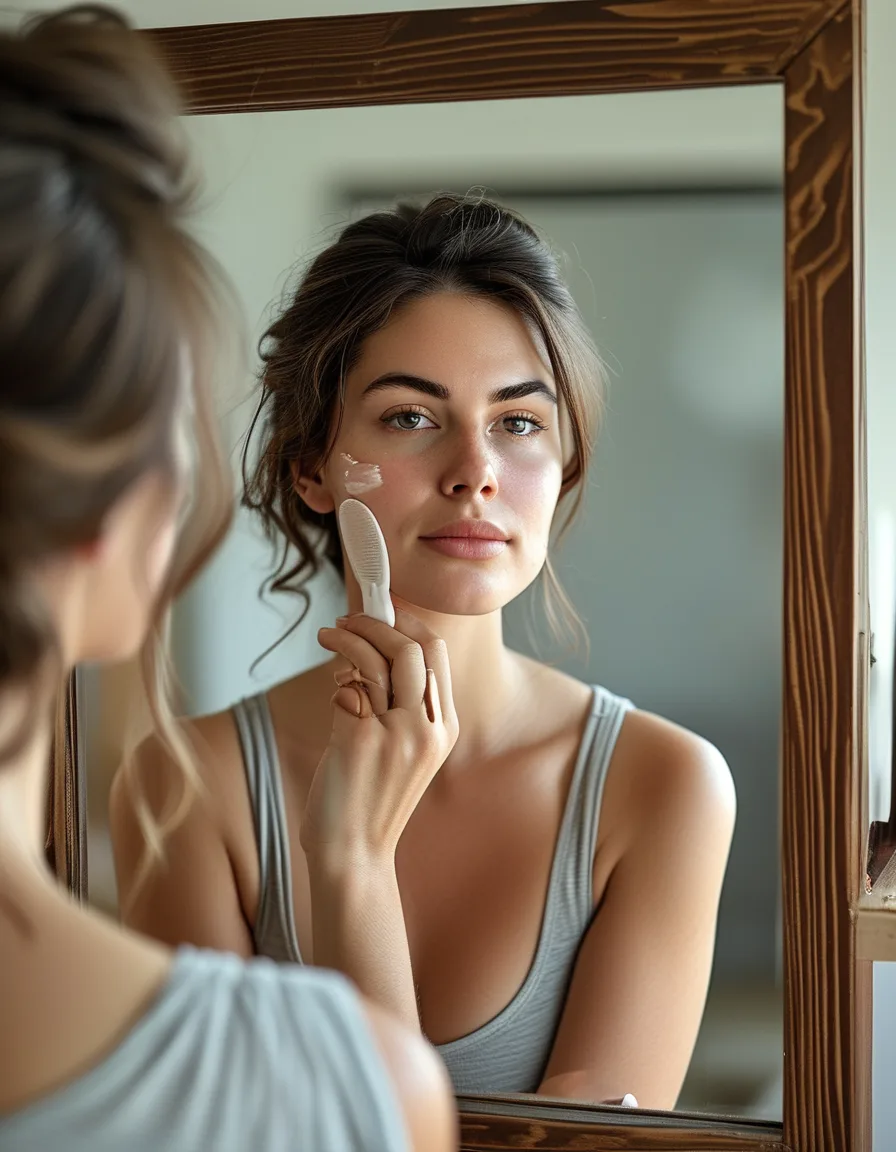
Myth vs Fact: Sunscreen Pilling Under Makeup
Myth: Pilling means the sunscreen is low quality or ‘not made for’ layering under makeup. Fact: Pilling is about ingredient compatibility between specific products layered together, not an inherent flaw in either product — a sunscreen that pills under one primer may apply flawlessly under a different one.
Myth: Using less sunscreen prevents pilling. Fact: Using less sunscreen reduces UV protection without reliably fixing the underlying compatibility issue — the fix is timing and technique, not reducing the amount below the protective threshold.
Myth: Pressing instead of rubbing doesn’t actually make a difference. Fact: Pressing (dabbing product on rather than swiping or rubbing) significantly reduces the friction that causes unbonded layers to ball up — it’s one of the most reliable single technique changes for reducing pilling.
How do you actually identify which product is causing it?
Isolate the layers: apply sunscreen alone and let it fully absorb — if it feels tacky or sits on the surface after several minutes, the sunscreen formula itself may be the more likely contributor. If sunscreen absorbs cleanly alone but pills specifically when a particular primer or foundation goes on top, that specific pairing is the more likely source.
Checking ingredient lists for dimethicone or other silicones appearing high on both products’ ingredient lists is a reasonably reliable predictor — two heavily silicone-based products layered together are one of the most common pilling combinations.
FAQ: Sunscreen Pilling Questions, Answered
Does mineral sunscreen pill more than chemical sunscreen?
Mineral sunscreens (zinc oxide, titanium dioxide based) can be somewhat more prone to pilling due to their physical particle texture, though formula quality varies enormously within both categories — it’s not a strict rule.
Should I switch to a gel or fluid sunscreen if pilling keeps happening?
Often worth trying — lighter gel or fluid textures tend to absorb faster and leave less of a surface film than thicker cream sunscreens, which reduces one of the main pilling triggers.
Is it safe to just apply sunscreen after makeup instead to avoid pilling entirely?
No — sunscreen needs to be one of the first layers on clean skin to provide even, reliable coverage; applying it over makeup gives inconsistent, unreliable protection, which defeats the purpose regardless of pilling convenience.
TL;DR:
- Pilling is a layering compatibility issue, not a sign of a bad sunscreen
- Let sunscreen absorb 2-3+ minutes before the next layer, and press rather than rub
- Two silicone-heavy products layered together are a common specific culprit
- Switching to a lighter gel/fluid sunscreen often reduces pilling if it persists
Don’t skip or thin out sunscreen to avoid pilling — fix the timing and technique instead, since protection matters more than a slightly inconvenient wait.
Keep Reading
This article is for general informational and styling purposes only. Fit, sizing, and product availability may vary.